Extensive Tire Management: Covering Installation through Maintenance to Ensure Maximum Functioning
Substantial tire operations assume an essential position in vehicle performance and protection. From installation to customary care, all steps are significant. Routine reviews can expose hidden difficulties that might compromise well-being. Comprehending the weight of tire cycles and alignments promotes to proportionate wear and a smoother ride. Yet, numerous automobile owners overlook key aspects of tire stewardship. What are the foundational services that can fortify both persistence and performance?
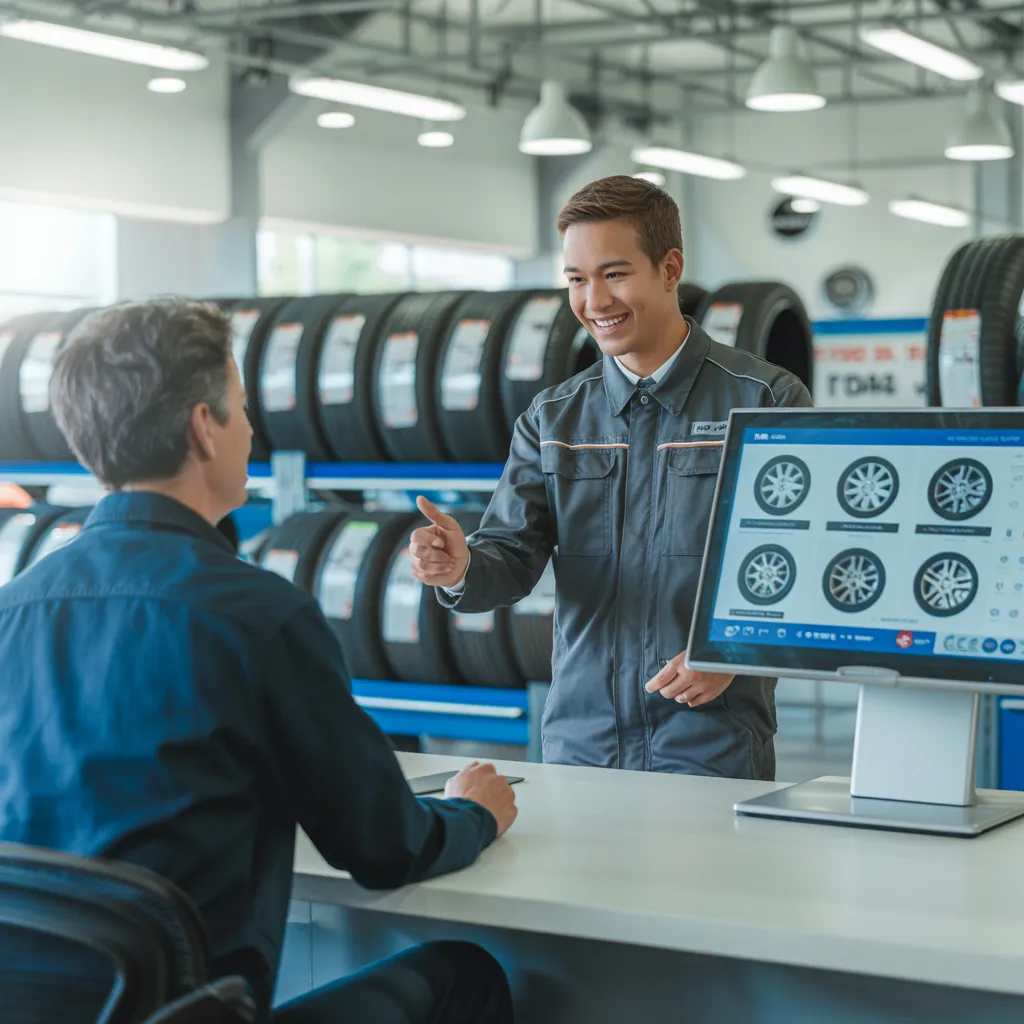
The Necessity of Periodic Tire Assessments for Safety
Regular tire checks play an essential role in guaranteeing vehicle safety, as they can avoid accidents caused by tire failures. These examinations involve checking for tread wear, air pressure, and visible damages such as cuts or bulges. Preserving proper tire pressure is vital; under-inflated tires can lead to blowouts, while over-inflated tires may decrease traction. Additionally, assessing tread depth is essential for effective grip, particularly in adverse weather conditions.
Systematic inspections can also spot irregular wear patterns, which might indicate alignment or suspension issues. Resolving these issues promptly can enhance vehicle performance and prolong tire life. Moreover, regular inspections foster a habit of proactive vehicle maintenance, strengthening overall road safety. By making tire inspections a priority, vehicle owners can greatly minimize the chance of tire-related accidents and guarantee a more secure driving experience for themselves, their passengers, and others on the road.
Essential Tire Offerings Every Vehicle Owner Should Be Aware Of
While many vehicle owners concentrate on oil changes and brake inspections, understanding key tire services is equally essential for maintaining safety and performance. Regular tire rotations ensure even wear, extending the lifespan of tires and enhancing traction. Moreover, proper tire balancing eliminates vibrations, improving ride quality and preserving suspension components.
Tire pressure control is critical; maintaining proper pressure bolsters fuel efficiency and cuts the risk of tire explosions. Seasonal tire conversions, such as switching to winter tires, offer better hold in adverse conditions. In addition, alignment checks are mandatory, as wheel misalignment can lead to uneven tire wear and poor steering response.
These services are not merely recommendations; they are essential for peak vehicle operation. Vehicle owners must be active in arranging these important tire maintenance to secure their safety on the road and enhance the overall performance of their vehicles.
Instructions on Correctly Installing Tires for Best Functionality
Proper wheel installation is essential for achieving peak vehicle performance and safety. To begin, it is important to select the right tire size and type, as specified in the vehicle's manual. Before installation, the technician should inspect the wheel for damage or corrosion, ensuring a proper fit. The tire should be mounted on the wheel, aligning the valve stem with the designated area. Next, it is necessary to balance the tire to prevent vibrations that can affect handling and wear. Proper torque specifications must be followed when tightening lug nuts, typically in a crisscross pattern to ensure even pressure. After installation, checking the tire pressure is critical, as both overinflation and underinflation can lead to handling issues and decreased fuel efficiency. Finally, a test drive can help confirm that the tires are installed correctly, allowing the driver to experience optimal performance and safety on the road.
Tire Rotations and Adjustments: Essential Maintenance Outlined
Tire rotations and alignments are key elements of car servicing that substantially affect performance and safety. Routine tire rotation helps ensure even wear, extending the service life of tires. Correct alignment enhances maneuverability and gas mileage, ultimately fostering a more enjoyable ride.
Importance of Tire Rotation
Consistent tire rotation is a key part of vehicle upkeep that significantly increases the durability of tires. This technique entails regularly changing the position of each tire to ensure uniform wear across all four tires. As tires wear differently depending on their location—front tires often bearing more weight and experiencing different forces than rear tires—rotation maintains balanced tread depth. This not just enhances grip and handling but also increases fuel efficiency. Additionally, regular rotations can prevent expensive replacements and boost overall safety by reducing the risk of blowouts. Ultimately, following a tire rotation schedule is critical for peak vehicle performance and longevity, making it a critical component of complete tire care.
Advantages of Optimal Positioning
Sustaining peak car performance exceeds tire rotation; proper alignment is equally necessary. Misalignment can produce uneven tire wear, reducing the lifespan of tires and demanding premature replacements. Additionally, a vehicle with improper alignment may encounter handling issues, affecting safety and control. Drivers may spot a pull to one side, creating an uncomfortable and potentially hazardous driving experience. Moreover, correct alignment boosts fuel efficiency by ensuring tires make best contact with the road surface, thereby reducing rolling resistance. Routine alignment inspections can avert costly repairs and strengthen overall driving performance. Ultimately, preserving proper alignment is an important aspect of vehicle care that contributes to safety, efficiency, and longevity.
Learning the Time to Replace Your Tires to Stay Safe?
Understanding when to change tires is essential for maintaining safe driving conditions. Important signs include checking tread depth and identifying any visible signs of damage. Routine checks can help drivers make smart choices about tire replacement before problems develop.
Tread Wear Indicators
How can motorists guarantee their tires stay secure and effective on the road? Monitoring tread depth is essential. Tread depth gauges, often integrated in tires, function as a critical guide. A common standard is to replace tires when tread depth reaches 2/32 of an inch, as insufficient tread reduces traction, particularly in wet conditions. Motorists can also try the penny test; inserting a penny into the tread with Lincoln's head facing down can show whether the tread is adequate. If the top of Lincoln's head is apparent, it is time for new tires. Frequently monitoring tread depth not only enhances safety but also boosts vehicle performance, ensuring ideal handling and braking capabilities.
Visible Damage Markers
Frequent inspection of tread depth is important, but visual damage signs can also indicate when tires need replacement. Cracks, bulges, or blisters on the tire surface often signal serious structural issues. Uneven wear patterns may suggest misalignment or other mechanical problems, necessitating immediate attention. Additionally, embedded foreign objects, such as nails or stones, can compromise tire integrity. If the tires exhibit excessive sidewall damage or significant wear indicators, it is vital to contemplate replacement for safety. Moreover, age can also affect tire performance; tires older than six years should be evaluated regardless of tread condition. Regular inspections for these visual damage signs help guarantee peak performance and safety on the road. Ignoring them could lead to hazardous driving conditions.
Tire Care Advice for Maximizing Longevity and Performance
Proper tire maintenance can significantly improve both the lifespan and efficiency of a car's tires. Regularly checking tire inflation is essential, as under-inflated or over-inflated tires can lead to uneven wear and reduced fuel efficiency. Preserving the correct pressure, as recommended by the maker, guarantees optimal contact with the road.
Furthermore, turning tires every 5,000 to 7,500 miles can encourage even wear and extend their lifespan. Drivers should also inspect tread depth regularly; a depth of 2/32 inches or less indicates it's time for new tires.
Furthermore, proper alignment and tire balancing help prevent early wear and boost handling. Keeping tires clean and free of debris can similarly contribute to their total health. Additionally, avoiding rough driving patterns, like quick acceleration and sudden braking, will not only extend tire longevity but also enhance the vehicle’s overall performance. By evaluation sticking to these care recommendations, drivers can increase both longevity and efficiency.

Frequently Asked Questions
How Do Weather Conditions Influence Tire Performance and Durability?
Weather affects tire operation and working life greatly. Extreme temperatures can cause weakened traction and excessive wear, while moisture can affect traction. Systematic monitoring and care are essential to ensure superior tire condition in varying climates.
Can I pair diverse Tire makes on My Vehicle?
Installing different tire brands on a vehicle is generally not suggested. Differences in tread design, rubber compounds, and performance characteristics can lead to uneven wear and compromised handling, potentially affecting safety and overall driving experience.
How Can You Recognize Tire Damage?
Indicators of a tire issue consist of uneven wear, bulges, cracks, vibrations during driving, and loss of air pressure. Drivers ought to regularly inspect their tires to assure safety and maximum performance on the road.
What's the Best Way to Choose a Tire Matched to My Vehicle?
To select the suitable tire, one must consider vehicle specifications, driving conditions, climate, and personal preferences. Reviewing tread patterns, tire ratings, and speaking with professionals can more ensure peak performance and safety for the vehicle.
Do Green Tire Alternatives Exist?
Yes, green tire possibilities are obtainable, including those produced from sustainable materials and built for reduced rolling resistance. These tires contribute to reduced carbon emissions and enhanced fuel efficiency, supporting both the environment and vehicle performance.